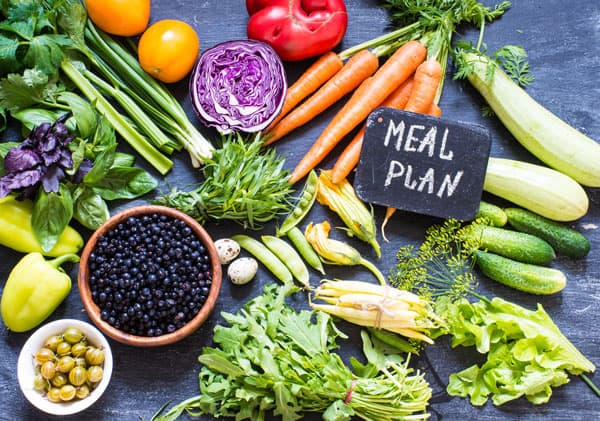
Strategic meal planning represents a powerful tool for maintaining nutritional goals while managing time efficiently. Rather than making daily food decisions under time pressure or when hungry, meal planning enables thoughtful choices aligned with health objectives. This comprehensive approach to nutrition management reduces stress, saves money, and supports consistent healthy eating patterns.
Benefits of Systematic Meal Planning
Meal planning offers numerous advantages beyond simple convenience. By deciding meals in advance, you eliminate the daily question of what to eat and reduce reliance on less nutritious default options. This proactive approach supports better nutritional balance, as you can ensure variety across meals and adequate intake of different food groups.
Financial benefits also prove substantial. Planning meals around sales and seasonal produce reduces food costs, while minimizing food waste through strategic ingredient use. Additionally, planned meals reduce temptation for expensive takeout or restaurant meals during busy periods. The time invested in planning typically saves considerably more time throughout the week.
Creating Flexible Meal Templates
Rather than planning every detail of every meal, flexible templates provide structure while allowing adaptation. A template might specify protein source, vegetable type, and starch component without dictating exact recipes. This flexibility accommodates ingredient availability, energy levels, and changing preferences while maintaining nutritional balance.
Rotating through several template categories—such as sheet pan dinners, one-pot meals, salad-based lunches, and slow-cooker recipes—prevents monotony while streamlining planning. Each category requires similar ingredients and preparation approaches, making shopping and cooking more efficient. This system balances variety with simplicity.
Strategic Grocery Shopping
Effective meal planning culminates in efficient grocery shopping. Creating detailed shopping lists organized by store layout minimizes shopping time and reduces impulse purchases. Reviewing pantry staples and refrigerator contents before shopping prevents duplicate purchases and ensures all necessary ingredients are available.
Shopping frequency depends on individual circumstances, storage capacity, and ingredient types. Some individuals prefer weekly shopping trips, while others benefit from a larger biweekly shop supplemented by brief fresh produce runs. The optimal approach balances convenience with ingredient freshness and storage limitations.
Batch Cooking and Meal Prep Strategies
Dedicating specific time to batch cooking and meal preparation significantly reduces daily cooking demands. This might involve preparing complete meals for reheating, cooking components that serve multiple meals, or simply washing and cutting vegetables for easy use throughout the week.
Batch cooking works particularly well for staple items like grains, beans, proteins, and roasted vegetables. These components can be combined in various ways throughout the week, creating different meals from the same prepared ingredients. This approach provides flexibility while reducing daily cooking time to simple assembly and reheating.
Adapting Plans for Realistic Implementation
Meal plans should accommodate real-life circumstances rather than imposing rigid structure that becomes unsustainable. Build flexibility for schedule changes, energy fluctuations, and spontaneous opportunities. Having backup options for particularly busy days—such as simple sheet pan dinners or nutritious frozen meals—prevents derailment of overall healthy eating patterns.
Start with planning a few days rather than a full week if the process feels overwhelming. Gradually expanding planning horizons as the practice becomes routine prevents initial burnout. The goal involves creating sustainable systems rather than perfect execution of complex plans.
Managing Leftovers Strategically
Intentional leftover planning maximizes meal preparation efficiency. Cooking larger quantities provides ready meals for subsequent days, reducing daily cooking requirements. However, leftover fatigue can undermine this strategy if meals repeat too frequently in succession.
Transforming leftovers into new meals extends their appeal. Roasted chicken becomes salad protein, sandwich filling, or soup base. Grain pilafs transform into fried rice or grain bowls. This creative repurposing prevents waste while maintaining meal variety and interest.
Conclusion
Meal planning streamlines nutrition management while supporting health goals and reducing daily decision-making demands. By implementing flexible templates, strategic shopping, batch cooking, and realistic planning approaches, health-conscious individuals can maintain nutritious eating patterns without excessive time investment. Remember that meal planning should simplify life rather than add stress—adapt these strategies to your specific circumstances for sustainable success.