A well-organized home creates the foundation for reduced stress, increased productivity, and enhanced quality of life. Beyond simple tidiness, effective home organization systems streamline daily routines, reduce time spent searching for items, and create peaceful living environments. This comprehensive guide explores practical organizational strategies that deliver lasting results.
Creating Functional Zones
Successful home organization begins with understanding how different spaces serve specific purposes. Each area of your home should support its intended function through thoughtful arrangement and appropriate storage solutions. Kitchen zones might include food preparation, cooking, and cleaning areas, each equipped with relevant tools and supplies within easy reach.
Living spaces benefit from designated zones for different activities—reading areas, entertainment zones, and work spaces. This intentional division creates mental clarity and helps maintain organization by establishing clear purposes for different areas. When every item has a designated home within its functional zone, maintaining order becomes significantly easier.
Implementing the One-In-One-Out Principle
Sustainable organization requires managing the flow of items entering your home. The one-in-one-out principle provides a simple yet effective framework for preventing accumulation. When acquiring new items, removing a similar existing item maintains consistent inventory levels and prevents gradual clutter buildup.
This approach encourages mindful purchasing decisions and regular evaluation of possessions. Before bringing new items home, consider whether they truly add value and what existing items might no longer serve their purpose. This ongoing curation process prevents the overwhelming accumulation that often necessitates major decluttering projects.
Strategic Storage Solutions
Effective storage systems make organization sustainable by reducing the effort required to maintain order. Visible storage works well for frequently used items, while concealed storage suits occasional-use items and maintains visual simplicity. The key lies in balancing accessibility with aesthetics.
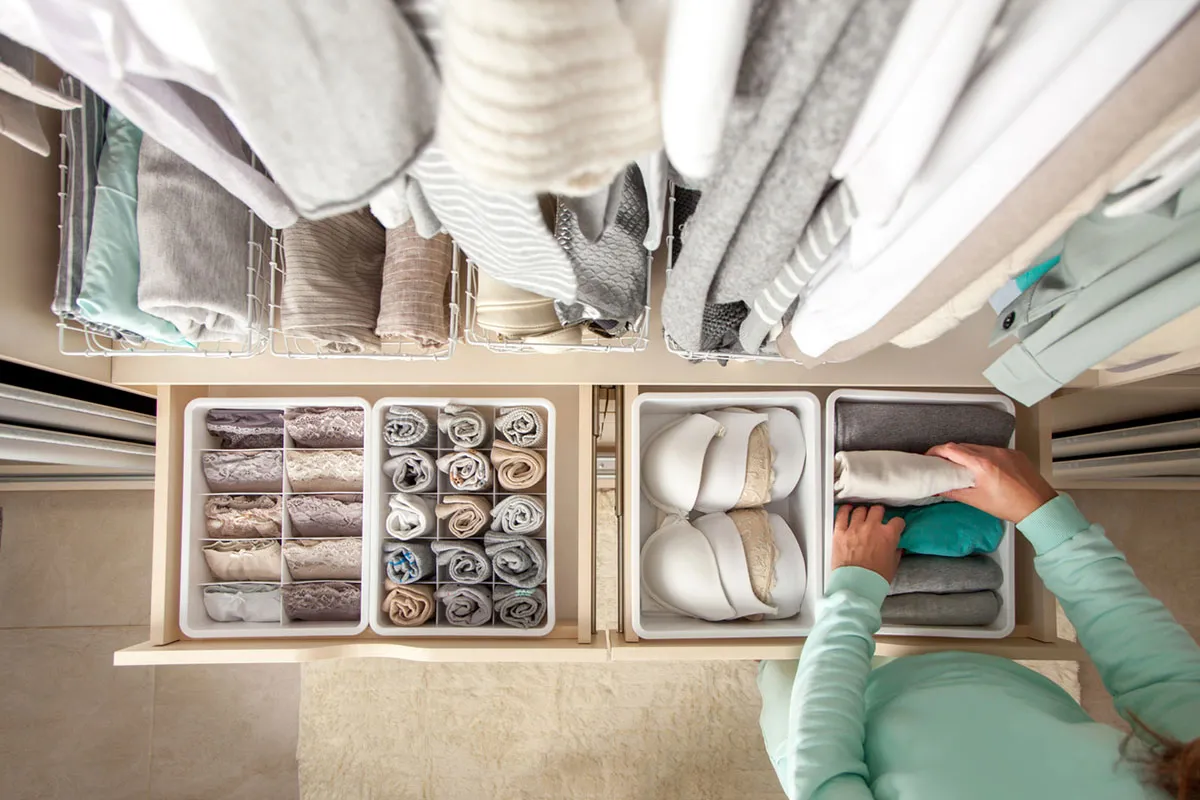
Vertical space often remains underutilized in home organization. Wall-mounted shelving, hanging systems, and tall storage units maximize space efficiency in smaller homes. Clear containers and labels eliminate guesswork when locating stored items, while drawer dividers prevent the chaotic mixing of small items.
Daily Maintenance Routines
Organization represents an ongoing process rather than a one-time achievement. Establishing daily maintenance routines prevents disorder from accumulating and reduces the need for intensive reorganization sessions. Simple habits like the two-minute rule—immediately handling tasks that take less than two minutes—prevent small tasks from becoming overwhelming backlogs.
Evening reset routines restore order after daily activities. Spending fifteen minutes returning items to their designated homes, wiping surfaces, and preparing for the next day creates a fresh start each morning. These small, consistent efforts prove far more effective than periodic intensive cleaning sessions.
Paper Management Systems
Despite increasing digitalization, paper documents still require systematic management. Establishing clear categories for incoming paper—action required, file, and recycle—prevents paper pile accumulation. Immediate decision-making about each piece of paper eliminates the indecision that leads to cluttered surfaces.
Digital scanning and cloud storage offer effective solutions for important documents while reducing physical storage needs. However, certain documents require physical retention for legal or practical reasons. A simple filing system with clearly labeled categories makes document retrieval straightforward when needed.
Seasonal Organization Strategies
Rotating seasonal items maintains accessible storage for current-season belongings while freeing space from off-season items. This rotation process also provides regular opportunities to assess item condition and relevance. Damaged or no-longer-useful items can be addressed during seasonal transitions rather than accumulating indefinitely.
Clear labeling of seasonal storage containers streamlines the rotation process and eliminates searching through multiple containers. Documenting container contents prevents unnecessary unpacking when seeking specific items. This systematic approach to seasonal organization maximizes storage efficiency throughout the year.
Conclusion
Effective home organization stems from thoughtful systems that align with your lifestyle and space constraints. By establishing functional zones, implementing sustainable practices like the one-in-one-out principle, utilizing strategic storage solutions, and maintaining daily routines, you can create an organized home environment that supports wellbeing and reduces daily stress. Remember that organization should serve your life—adapt these strategies to fit your specific needs and circumstances for lasting success.